
When we talk about wheelchair access, stairs are often the first challenge that comes to mind. But flooring plays just as crucial a role. The wrong choice, whether it’s deep-pile carpet or glossy tiles, can make a space difficult to navigate, increase the risk of accidents, and reduce a wheelchair user’s independence.
But getting the flooring right in a commercial building is one of the simplest ways to make a space genuinely accessible, and:
- Create a functional and safe environment for all users
- Reduce the risk of accidents
- Make it easier for a wheelchair user to quickly turn around or change direction in emergencies
- Enhance comfort and mobility
What are the legal requirements for wheelchair-accessible flooring?
The Equality Act 2010 ensures accessibility and non-discrimination in the built environment, which means any new build or refurbishment and renovation work must consider the needs of disabled people.
The specific requirements for wheelchair-accessible flooring are outlined in the Approved Document to Part M of the UK Building Regulations and stipulate that floor and ground surfaces must be:
- Firm: all surfaces should be firm without any instability that could impede the movement of a wheelchair.
- Level: differences in the levels of floors should be minimised as they make it difficult for wheelchair users to negotiate. If there are differences in height, transitions should be gradual and clearly marked.
- Slip-resistant: Flooring must provide enough traction to prevent slips and falls and must be slip resistant, especially when wet.
Other flooring considerations
When choosing wheelchair-friendly flooring, several other factors should also be considered.
- Durability: wheelchairs place significant pressure on a floor and may leave dents or scuff marks on some surfaces. Look for materials which can withstand daily use and won’t quickly show signs of damage.
- Texture: a glossy flooring finish may provide less grip than a rougher surface, which could result in unnecessary slipping. A deep pile carpet might look luxurious, but will make it harder to steer a wheelchair
- Acoustics: hard flooring can amplify noise, so choose materials that help dampen sound and minimise echoes.
- Uniformity: changes in floor materials can impede the movement of wheelchairs as well as create a potential trip hazard. Where possible choose a flooring type that can be used continuously, and if you do need to use transition strips, make sure they are as level as possible.
- Comfort: although hard surfaces such as concrete, stone and tile allow for the easy movement of wheelchairs, it can feel uncomfortable after a long period of time.
Choose flooring that offers a degree of cushioning, such as vinyl. - Patterns: avoid flooring that finishes with a pattern, as it could be mistaken for steps.
- Maintenance: having floors that are easy to clean and maintain are particularly important for high-traffic areas. Choose a floor surface that helps remove rainwater from shoes and wheelchairs.
Four flooring choices to avoid
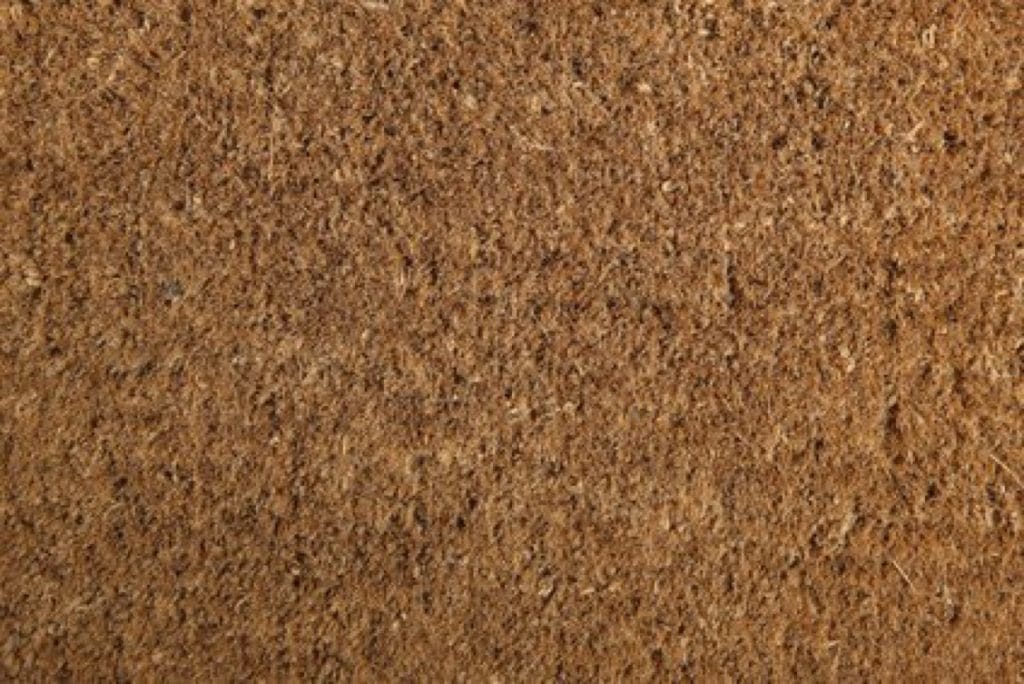
Unsuitable flooring can lead to difficulties in movement as well as potentially creating safety hazards. Here are some popular choices to avoid.
Coir matting: specifically highlighted in Approved Document M as a flooring material to avoid, coir matting is popular because it’s eco-friendly, durable and affordable, and offers good traction so reduces slip hazards. But coir also has a deep pile which impedes the movement of the wheels on a wheelchair and can cause them to get stuck.
Ribbed matting: hard-wearing and easy to look after, ribbed matting is considered a cost-effective option for high traffic areas; however, the ribs make it difficult for a wheelchair user to change direction, and wheels can easily get caught in the gaps.
Deep-pile carpet: as well as the long fibres creating significant friction which increases rolling resistance, deep-pile carpets cause wheelchair wheels to sink into the carpet which reduces stability and makes steering harder.
If you want to use carpet, look for one that has a tight weave and no or low pile. While accessibility standards in the UK are silent on this, (the Equality Act 2010 does not specify anything either, just that ‘reasonable’ adjustments must be provided) the Americans with Disabilities Act (ADA) requires that a carpeted surface be stable, firm, and have a level, smooth transition of no more than half an inch (1.27cm).
It does not specify a maximum pile height for carpet, but changes in level between a quarter and half an inch (0.635 and 1.27cm) must be chamfered / bevelled. In general, as a guide, any pile height above 0.635 cm is not ‘low pile’.
Self-adhesive vinyl tiles: while self-adhesive flooring may be suitable for walking traffic, the adhesive won’t be strong enough to take a wheelchair rolling over it. This can result in damaged or loosened tiles which can cause a trip hazard.
Choosing the best flooring
No flooring type is perfect, and each one comes with its own set of advantages and disadvantages, so it’s important to evaluate each in line with your project’s specific requirements.
Tiles: highly durable and easy to move across, but large tiles can crack under wheelchair pressure, while small tiles have lots of grout lines creating an uneven surface.
Vinyl (LVP or Sheet): provides a stable and level surface and is easy to maintain but requires a strong adhesive to ensure the floor does not become dislodged under the weight and movement of a wheelchair.
Rubber flooring: excellent traction and shock absorbency, though style options are limited and it may initially release an odour.
Laminate flooring: offers a hard and stable surface but is unsuitable for areas with high moisture levels.
Engineered wood flooring: aesthetically pleasing and the wood grain texture can offer improved traction, but softer wood options, such as pine are more prone to scuffs and dents from wheelchair wheels.
Ultimately, the best flooring choice will depend on your project, but by understanding and complying with the specific requirements outlined in Approved Document M, you will create spaces which are truly inclusive for all users.
If you require any further information on flooring options, or are interested in an access audit of your premises, please get in touch.