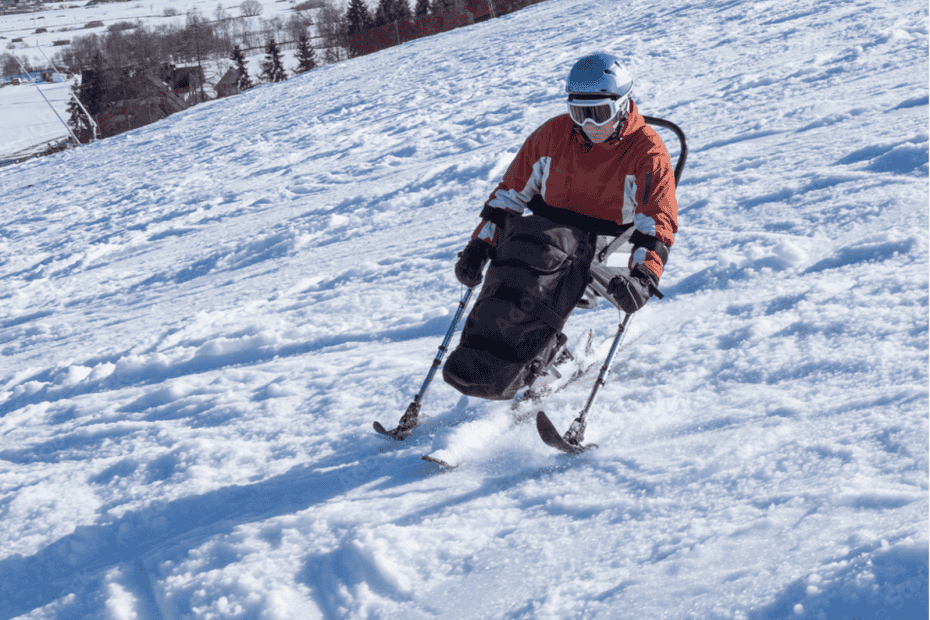
As the Milano-Cortina 2026 Winter Paralympics approach, we wish all athletes every success and a splendid Games.
The Paralympics celebrate an extraordinary diversity of sports and achievements. Watching the events, it is easy to focus on the medals and the remarkable determination of the athletes. But it also raises an interesting question: how do people find the sport that is right for them in the first place?
For many people, being introduced to sport and having the opportunity to try different activities can already be difficult. Winter sports can present even greater barriers, often requiring specialist equipment, facilities and environments that are not always easy to access.
This is something organisers of the Milano-Cortina 2026 Games are beginning to address. The Paralympic movement has highlighted how the Games are being used as an opportunity to improve accessibility across venues, transport and tourism infrastructure so the benefits extend beyond the event itself.
Some of the key figures illustrate the scale of this effort:
- €20 million is being invested in accessibility improvements linked to the Games.
- The Arena di Verona, a 2,000-year-old Roman amphitheatre, is being upgraded with accessible routes, lifts and facilities.
- Programmes linked to the Games aim to increase participation in adaptive winter sports, helping more people discover and try sports that may otherwise feel out of reach.
However, access to sport remains a challenge. Research in the UK suggests that 52% of disabled people say they have been prevented from watching sport at their chosen venue because of accessibility barriers, while 49% say there are not suitable opportunities to take part in sport close to where they live.
We also see these barriers in everyday environments. A recent BBC report about accessibility barriers at a David Lloyd gym in Shrewsbury showed how something as simple as the height of a door handle prevented wheelchair users from entering the building. When physical barriers are combined with negative attitudes, sports facilities can unintentionally exclude the very people who want to participate.
The journey to becoming a Paralympian begins long before the medal ceremonies. It starts in local gyms, sports clubs and community facilities where people first have the chance to try a sport and discover what they enjoy.
Ensuring that sports venues, gyms and training environments are accessible is therefore not only about compliance. It is about opening the door for future athletes to discover their potential.
Proudlock Associates have extensive experience in improving accessibility in sports venues, gyms and leisure facilities. If you have questions about how we can help make your facilities more inclusive, please contact Tracey Proudlock at tracey@proudlockassociates.com.