
The 3rd of December marks ‘International Day of Disabled People‘. Celebrated for the first time in 1992, it aims to promote the rights and well-being of disabled people and to raise awareness of the political, social, economic and cultural inequalities they face.
But while awareness days serve an important role in shining a spotlight on important issues, encouraging open dialogue around sensitive topics such as mental health, and motivating people to take positive action, they are something of a double-edged sword.
And that’s partly down to the sheer number of them. The UN alone observes 218 official international days about everything from Tea to Chess, and this is before we factor in all the other awareness days covering weird and wonderful topics such as puddle jumping and talking like a pirate!
With so many days competing for attention, it’s hardly surprising people are suffering from a degree of ‘awareness day fatigue’ and are more likely to jump on board the fun ones such as National Gingerbread Day or Harry Potter Day, rather than those focused on serious issues such as human rights.
Social media also has a role in downplaying the significance of many awareness days. Yes, it allows all and sundry to post their support, but does this actually translate into a commitment for long-term action or is it nothing more than a tick-box exercise or – even worse – virtue-signalling? How many companies observing International Day of Disabled People still lack ramps or have doors that are difficult to open or navigate? How many fail to offer information in accessible formats, such as Easy Read or braille? And how many still don’t provide quiet rooms for those who need them?
So, we have a suggestion; on this International Day of Disabled People don’t just post your support on social media. Instead, commit to making a real difference to your disabled staff and customers.
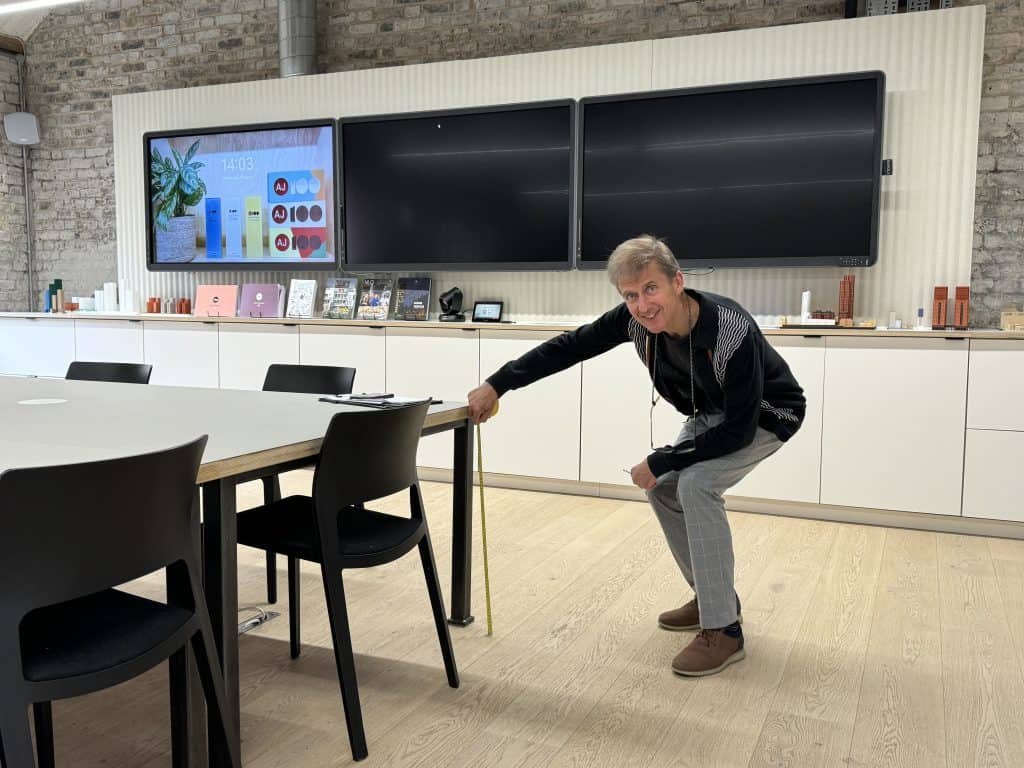
Liam checking the height of a conference table as part of an access audit
Here are some ideas:
- If you work in retail, read RiDC’s Re-Imagining Retail project resources including the Accessibility Guidelines. As well as outlining the common barriers disabled people face when shopping in-person or online, it provides guidance on how you can improve accessibility. You’ll be surprised how simple some of the solutions are.
- Think about running a training course on disability equality for your staff. As well as taking a proactive step to managing diversity, it will show your staff and customers you are sensitive to their beliefs, traditions and access needs.
- Have an access audit. This will give you a comprehensive assessment of your building and its environment to identify any physical, sensory and intellectual barriers that may pose an access problem for disabled people. In other words, it will ensure you have an inclusive building that welcomes everyone.
Remember International Day of Disabled People serves an important role in raising awareness around disability, but it is just a starting point, so make sure you’re making changes that actually matter.
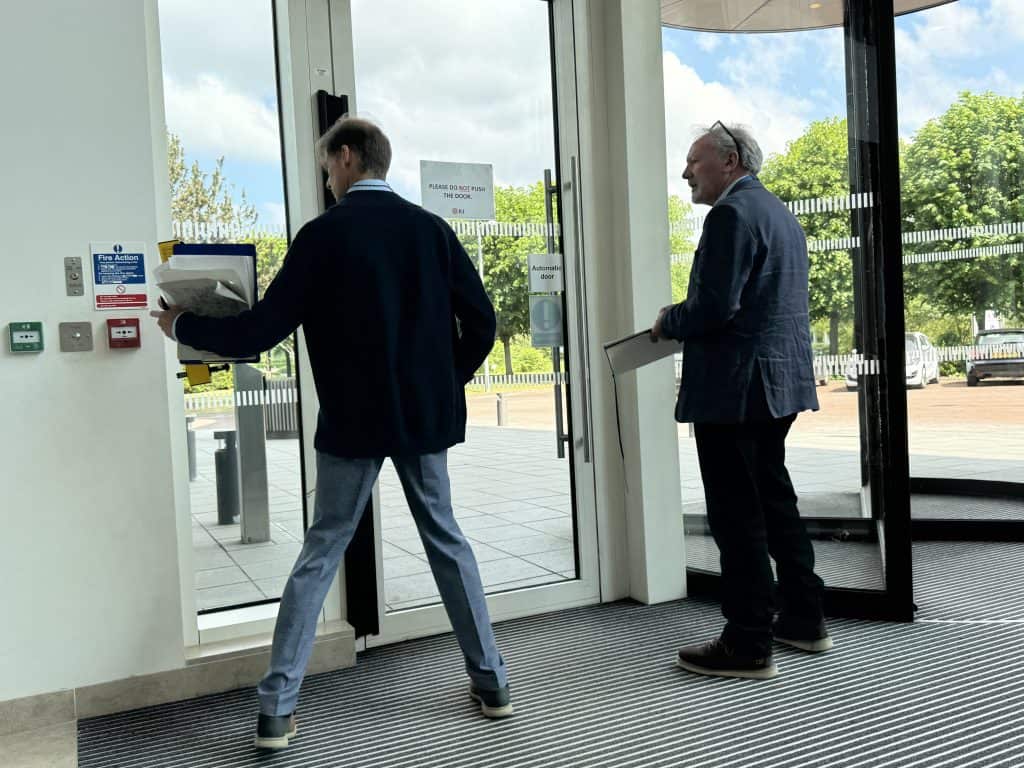
Checking the doors and location of fire alarms as part of an access audit