Did you know only 26.7% of adults with a learning disability are employed? Or that 86% want a paid job? It’s one of the reasons why Learning Disability Week is so important as it helps challenge some of the barriers people with a learning disability face on a regular basis.
And one of the things the week does is highlight what those barriers are. When we talk about accessibility there can be a tendency to focus just on the physical barriers, such as steps or stairs making buildings inaccessible to wheelchair users. But accessibility is so much more than that. It’s also about sensory and intellectual barriers; social and attitudinal barriers; communication and technological barriers.
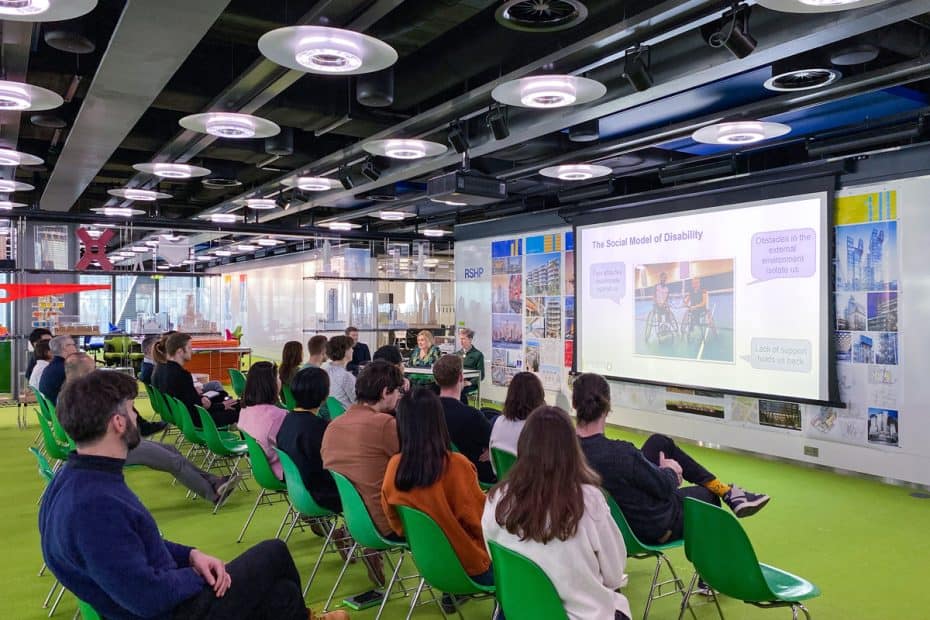
There is also a tendency to assume those barriers are caused by someone’s impairments or differences, which is why the Social Model of Disability is so important. It shifts the focus from an individual’s condition to removing societal, environmental and organisational barriers encouraging a truly inclusive society where everyone can participate fully.
Let’s look a bit deeper into the Social Model of Disability and how understanding it can help people with a learning disability fully participate in society.
What is the Social Model of Disability?
Developed by disabled people, the Social Model of Disability asserts people are disabled by barriers in society, not by their impairment or condition. Also known as the ‘barriers-approach’, it states that the exclusion and discrimination faced by disabled people is not an inevitable consequence of their impairment but is caused by the way society is set up and run. For example, a badly designed building, which has stairs, but no lift or ramp is excluding wheelchair users.
Crucially, the Social Model doesn’t just identify society as the cause of disability but also provides insights into how those barriers can be removed, minimised or helped with other forms of support.
So, what are the key barriers?
Key barriers identified by the Social Model are:
- Physical barriers: linked to the physical and built environment this includes barriers such as stairs, narrow corridors, kerbs, inaccessible toilets, poor lighting, broken lifts, poorly managed street and public spaces.
- Attitudinal barriers: negative assumptions and harmful stereotypes, such as a person with a learning difficulty is child-like and shouldn’t have the right to a sexual relationship
- Communication barriers: not providing information in different accessible formats, such as Easy Read or plain English or Braille. Not providing British Sign Language Interpreters, hearing induction loops or adding captions to video.
Removing communication barriers
From schools and workplaces failing to provide accessible materials and flexible teaching to people assuming people with a learning disability are incapable of achieving much, the Social Model highlights how society’s structures and attitudes create barriers which prevent people with a learning disability from fully participating and being involved.
It’s one of the reasons why Learning Disability Week is so important. Not only does it help raise awareness about learning disabilities but also aims to break down harmful barriers and misconceptions.
This year’s theme “Do you see me?” is about people with a learning disability being seen, heard and valued. It’s about celebrating what people with a learning disability bring to society and the amazing things they contribute to local communities.
And we know from our own experience how our work is always boosted and made stronger by the insight and advice of other disabled people.
Take the restoration of Hammersmith and Fulham’s Grade 2 listed Art Deco town hall. The project has been called ‘ruthlessly inclusive’, and this is thanks to the involvement of the London Borough of Hammersmith and Fulham’s Disabled Residents Team (DRT) whose own lived experience helped build on our work around building regulations for the built environment.
But projects such as this aren’t successful just because disabled people are involved. They are successful because any communication barriers which would stop them contributing fully are recognised and removed. This includes:
- Providing information in various formats, including Easy Read and large print
- Using accessible language and avoiding jargon
- Being prepared to use different communication tools
- Giving people time and space to make known their thoughts and experiences
- Going at the pace of the person you’re communicating with rather than interrupting them or assuming they have nothing to say
- Following the lead of the person you are communication with.
Breaking down other barriers
While good, clear and simple communication is key to ensuring people with a learning disability can play their part to the fullest, removing other barriers also helps ensure they have equal access to resources and opportunities.
While the Equality Act (2010) requires reasonable adjustments for all disabilities, including learning disabilities, Approved Document M of the UK Building Regulations primarily focuses on physical and sensory impairments. Although it does not specifically address the needs of people with a learning disability, several of its recommendations offer additional support.
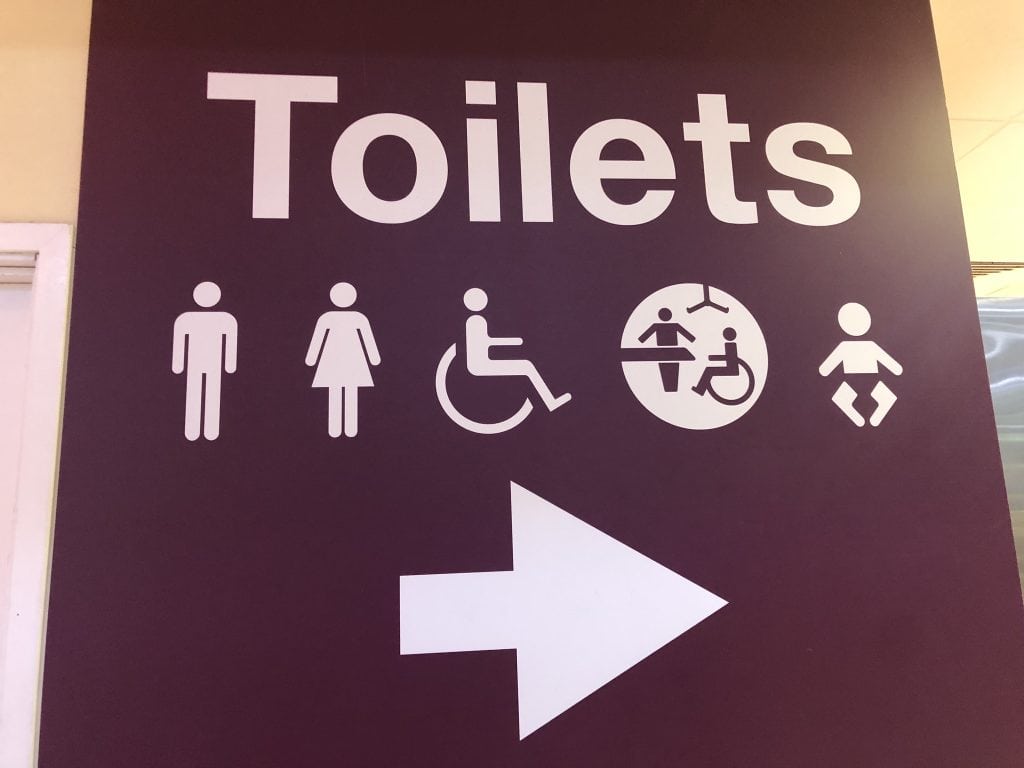
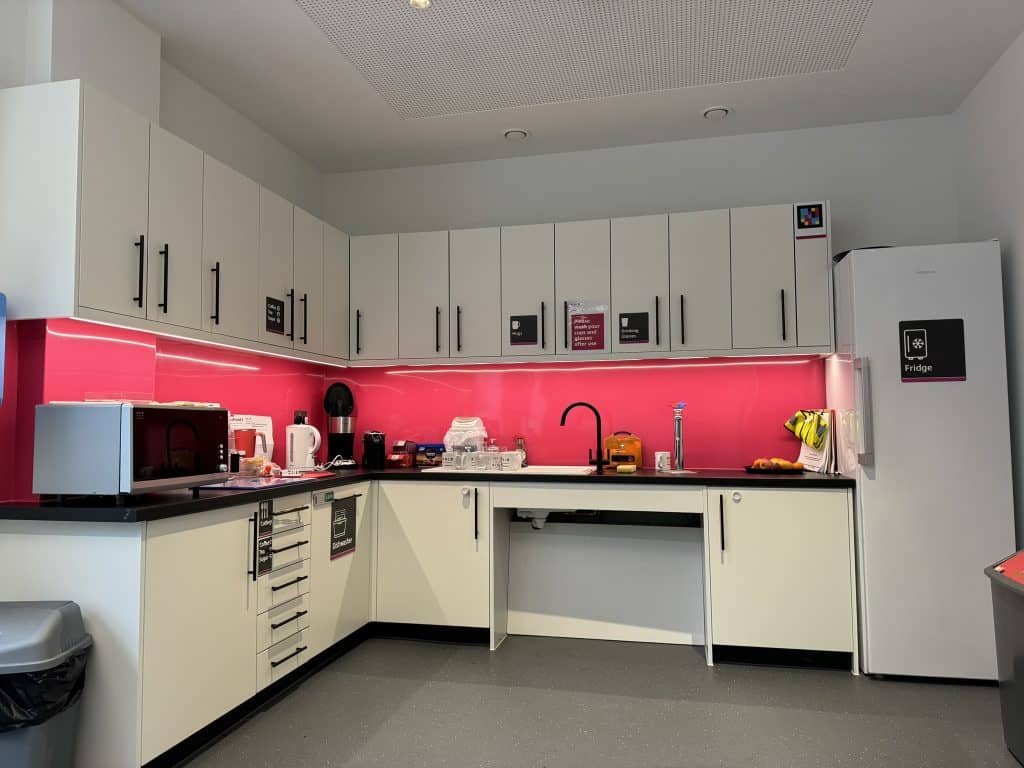
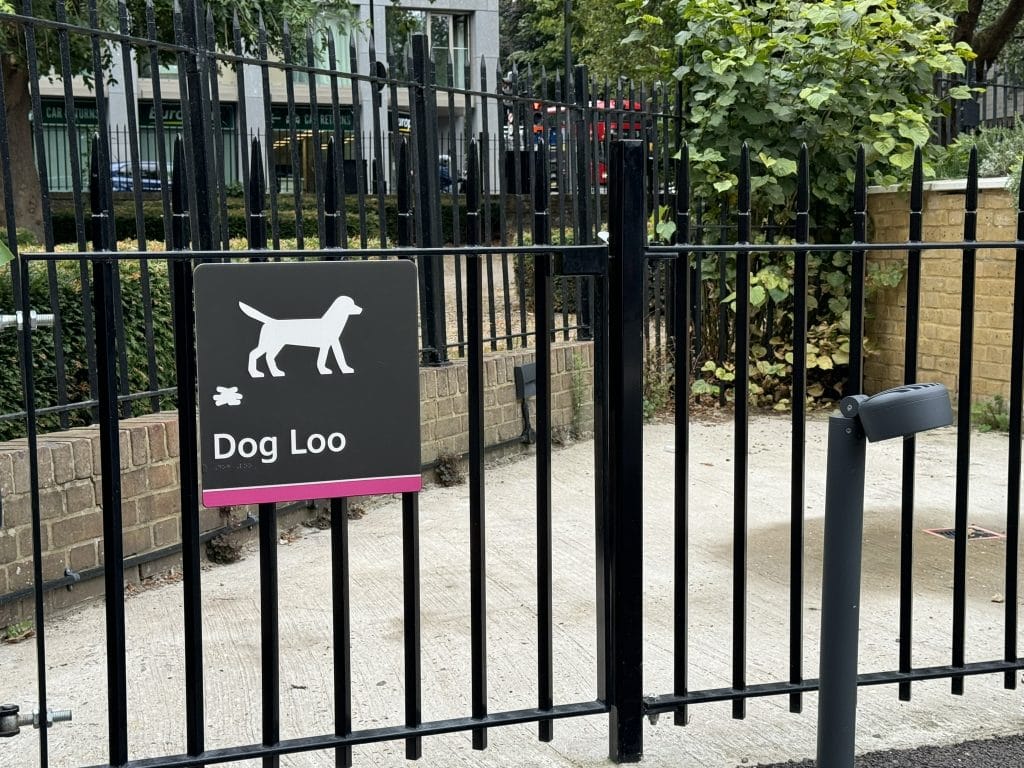
1. Clear Signage and Wayfinding
Signage must be clear, legible, and consistent, using symbols and pictograms where possible. This helps individuals with cognitive impairments, or a learning disability navigate buildings more easily.
2. Lighting and Visual Contrast
Good lighting and visual contrast between walls, floors, and doors are required to aid orientation and reduce confusion. This can be especially helpful for people with neurodiverse conditions or learning difficulties.
3. Simple Layouts
Buildings should have logical, easy-to-follow layouts with minimal complexity and minimum clutter. This supports people who may struggle with spatial awareness or memory. Also provide easy-read maps with pictures and large text and consider using different colours for different areas of the building.
4. Accessible Toilets and Changing Places
Larger public buildings must include Changing Places toilets, which are designed for people who require a support worker.
Creating a society where people with a learning disability are truly included means actively removing the barriers that prevent their full participation. The Social Model of Disability reminds us that disability is not an inevitable outcome of someone’s condition, but the result of the environment, attitudes, and systems around them.
And, as we know from our own experience, when people with a learning disability are seen, heard, and involved meaningfully, everyone benefits.